
No cross-contamination
Separate space and separate tools mean steel dust stays away. That protects your panels long after pickup. It's a small habit that matters a lot.
Aluminum panels
Lots of trucks and SUVs now wear aluminum. It's light and strong. It's also fussy. You want a shop that treats it differently, and tells you how.
Ask us about your aluminum panel — (000) 000-0000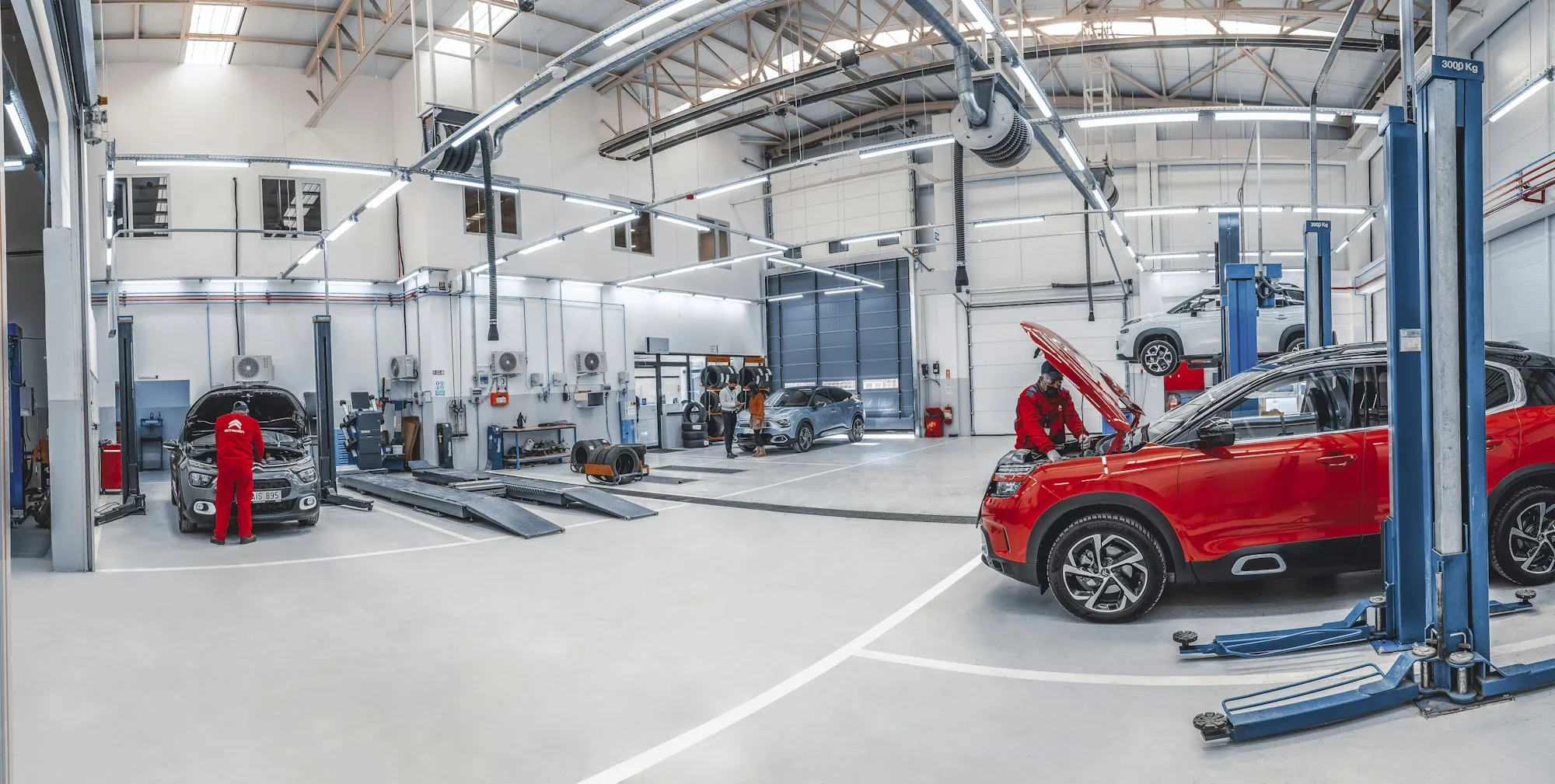
Aluminum bends differently than steel. It doesn't remember its shape the same way. Too much heat weakens it. And here's the sneaky part. If steel dust lands on bare aluminum, it can start corrosion under the paint. So we fix aluminum in its own area, with its own tools. Joints get riveted and glued the way the maker intended. Your estimate spells out each step, so nothing is hidden. We'll talk you through it before anything gets touched.
Here's each part of the job, written the same way it appears on your estimate.
Aluminum work happens behind curtains, away from steel grinding. That keeps stray dust off your panels.
Hammers, dollies, sanders and files are kept for aluminum only. Mixing them is how contamination starts.
We warm the metal carefully and watch the temperature. Aluminum gives little warning before it softens too far. Slow and steady wins here.
Many aluminum bodies are held together with self-piercing rivets. We use the same kind of fasteners in the same spots.
Some joints are glued as well as riveted. We apply the specified adhesive and let it cure fully. Then the joint is checked before paint goes on.
A torn or stretched aluminum panel sometimes can't be put right. In that case we replace it and explain why.
Exposed aluminum gets cleaned, primed and sealed quickly. That shuts the door on corrosion.
Once the metal is right, the panel is refinished to match the rest of your truck or car.
First we check which panels are aluminum and which are steel. A magnet and the build sheet sort that out. Then we look up the maker's repair steps. You get an estimate with each step on its own line. If a panel turns out to be steel, we say so and adjust the plan.
The vehicle moves into the aluminum area. We straighten, rivet and glue using the dedicated tools. Any panel that can't be saved is replaced. We ring you if we find anything new.
Bare spots get sealed and primed before they can react. Then the panel is painted and blended. We check gaps and finish in good light. When it's right, it's yours again.
Separate space and separate tools mean steel dust stays away. That protects your panels long after pickup. It's a small habit that matters a lot.
We follow the published procedure for your vehicle. You can ask to see it, and we'll happily show you.
Aluminum work has more steps than steel. Each one is listed, so you know exactly what you're paying for.
Not sure? Ring us with the year and model and we'll help you find out, then talk through what your repair would involve.
Find out what your panel needs — (000) 000-0000